
The success of a pilot program is only the beginning. Scaling your CNAPP implementation across teams ensures consistent security practices, better resource alignment, and broader protection for your cloud-native pipeline. However, this step comes with its challenges—teams may have varying levels of technical expertise, and workloads may differ in complexity.
Scaling effectively requires a structured approach to onboarding new teams while maintaining the momentum and best practices established during the pilot phase. For organisations aligned with NIS 2 and DORA, this process reinforces the principles of operational resilience and accountability.
Why Scaling Matters
Broader adoption of security practices ensures:
- Uniform application of assurance policies across all teams.
- More comprehensive coverage of vulnerabilities and misconfigurations.
- Reduced risk of inconsistencies that could lead to compliance violations.
As workloads increase, so does the attack surface. Scaling CNAPP ensures that every workload benefits from the same level of protection established during the pilot phase.
How to Scale with Aqua CNAPP
-
Standardise the Pilot Workflow:
- Use Aqua’s templates and best practices to replicate workflows established during the pilot phase.
- Document the key steps and lessons learned to create a repeatable onboarding process.
-
Delegate Responsibilities:
- Empower individual teams to manage their application scopes within the global CNAPP framework.
- Use Aqua’s Role-Based Access Control (RBAC) to assign permissions and ensure teams have autonomy within their areas of responsibility.
-
Onboard Teams in Phases:
- Start with teams managing low-risk workloads before moving to more critical applications.
- Provide training sessions tailored to each team’s needs, focusing on Aqua’s dashboards, assurance policies, and runtime monitoring.
-
Audit Regularly:
- Schedule periodic audits to ensure policies are applied consistently.
- Use Aqua’s centralised dashboard to track compliance and monitor progress across teams.
Practical Example: Onboarding a New Team
When onboarding a new team, configure their environment as follows:
- Application Scope: Define the scope for their workloads (e.g., specific registries or clusters).
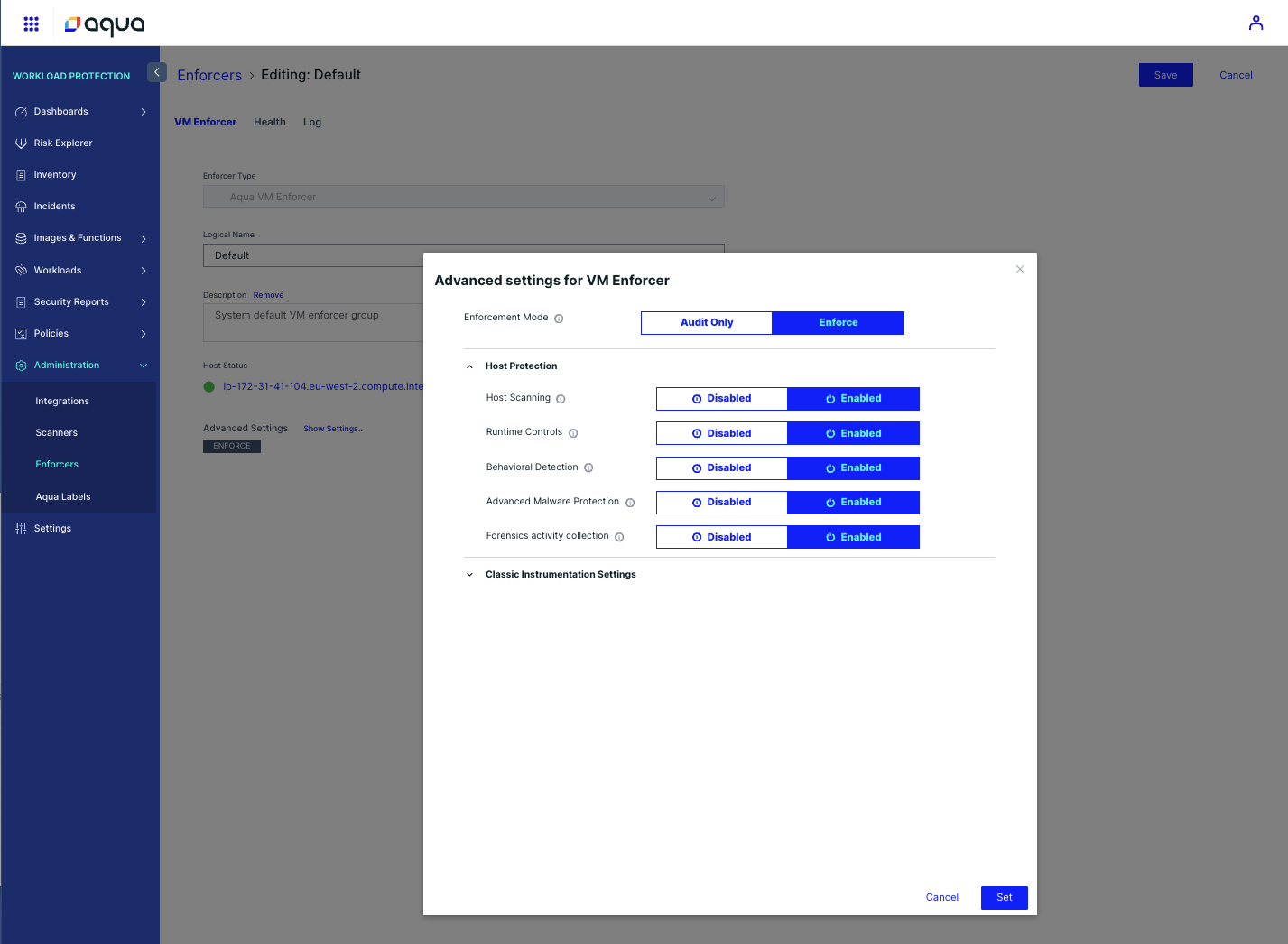
- Assurance Policies: Apply baseline policies initially in audit mode.
- Training: Provide access to Aqua’s self-service resources and schedule live walkthroughs of their dashboard.
By gradually introducing stricter enforcement as teams gain confidence, you ensure adoption without overwhelming them.
Summary
Scaling CNAPP is about building on the success of your pilot, ensuring security practices are applied uniformly across your organisation. Aqua’s flexible workflows and centralised management tools make it easier to bring new teams onboard while maintaining alignment with NIS 2 and DORA principles. Consistency is key—when every team operates with the same high standards, your organisation’s security posture becomes truly resilient.
 Cumulus Chatter with a Sprinkle of AI
Leave a comment